Getting Started with Stand Up Paddle Boarding: A Guide for Beginners
Introduction to Stand Up Paddle Boarding
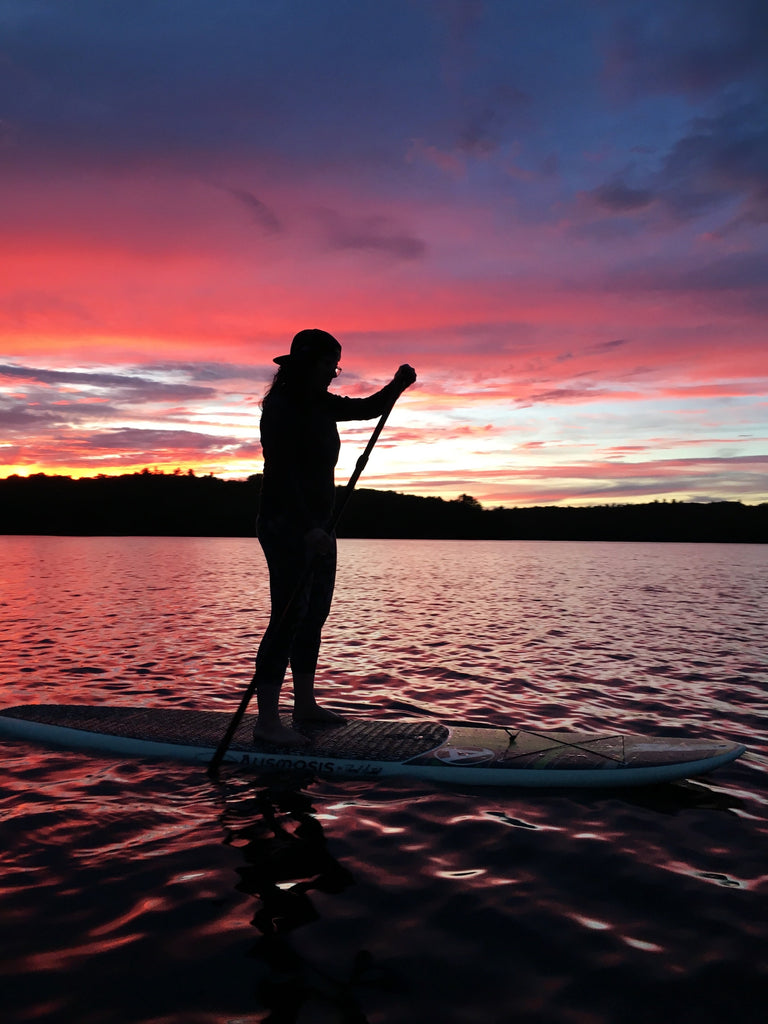
Stand Up Paddle Boarding (SUP) is an increasingly popular water sport that offers a unique and enjoyable way to explore lakes, rivers, and oceans. SUP provides a fantastic full-body workout and allows you to connect with nature in a whole new way. If you're a beginner, this guide will help you get started with Stand Up Paddle Boarding confidently.
Types of Stand Up Paddle Boarding
Stand Up Paddle Boarding can be enjoyed in various ways, including recreational flatwater paddling, SUP surfing, SUP racing, and SUP yoga. Each type requires different skills and board designs to suit the specific activity.

Essential SUP Equipment
To begin your SUP journey, you'll need some essential gear:
Paddle Board
The most important piece of equipment is the paddle board itself. Paddle boards come in different shapes, sizes, and materials, designed for various activities and skill levels.
Paddle
A suitable paddle is necessary to propel yourself on the water. SUP paddles typically have an angled blade and are longer than kayak paddles.
Personal Flotation Device (PFD)
A PFD, or life jacket, is essential for safety while paddle boarding. Make sure to choose a PFD that fits comfortably and provides adequate buoyancy.
Clothing
Wear clothing that's appropriate for the water temperature and weather conditions. Quick-drying synthetic materials are recommended, while cotton should be avoided.
Leash
A leash connects you to your paddle board, ensuring you don't get separated from it in case of a fall. Leashes come in various lengths and styles, so choose one suitable for your specific activity.
Choosing the Right Paddle Board for You
Factors to Consider
When selecting a paddle board, consider these factors:
- Purpose: The type of SUP activity you plan to do will determine the best board style for you.
- Size and Weight: Your height, weight, and skill level will impact the appropriate size and stability of the paddle board.
- Material: Paddle boards are made from various materials, each with its pros and cons. Common materials include foam, polyethylene, and composite materials like fiberglass and carbon fiber.
Learning the Basic SUP Techniques
To get started with Stand Up Paddle Boarding, you'll need to master some basic techniques:
Proper SUP Posture and Balance
Stand in the center of your paddle board with your feet shoulder-width apart, knees slightly bent, and gaze forward. Maintain a straight back and engage your core to help with balance.
Paddling Techniques
Learning a few basic paddling techniques will help you navigate the water with ease:
- Forward Stroke: To move forward, submerge one side of the paddle blade into the water near your toes and pull it back towards your ankle. Keep your arms straight and rotate your torso as you paddle. Alternate sides to maintain a straight path.
- Reverse Stroke: The reverse stroke helps you slow down or move backward. Place the paddle blade in the water near your ankle and push it forward towards your toes. Alternate sides as needed.
- Sweep Stroke: To turn your paddle board, use the sweep stroke. Place the paddle blade in the water near your toes on the side opposite of the direction you want to turn. Sweep the paddle out in a wide arc.

Safety Tips for Stand Up Paddle Boarding
Safety is crucial when enjoying Stand Up Paddle Boarding. Keep these tips in mind:
Weather and Water Conditions
Check the weather forecast and water conditions before heading out. Be cautious of strong winds, currents, and rapidly changing weather.
Stay Within Your Skill Level
Don't attempt to paddle board in conditions beyond your experience and skill level. As you become more experienced, you can gradually take on more challenging waters.
Practice Self-Rescue Techniques
Learn and practice self-rescue techniques, such as remounting your paddle board after falling off, to ensure you can recover from any incidents on the water.
Conclusion
Getting started with Stand Up Paddle Boarding is an exciting and rewarding experience. With the right equipment, knowledge of basic SUP techniques, and a focus on safety, you'll be well on your way to enjoying this fantastic water sport. Remember, The Salty Shack is here to help you with all your Stand Up Paddle Boarding needs, from finding the perfect paddle board to offering expert advice on gear and techniques. Visit us online or in-store today to get started on your SUP adventure!
FAQs
Q: How do I choose the right paddle board for me?
A: Consider factors like the type of SUP activity you plan to do, your size and weight, and the material of the paddle board. Visit The Salty Shack for personalised advice and a wide range of paddle boards to choose from.
Q: What should I wear while paddle boarding?
A: Opt for synthetic, quick-drying clothing that's appropriate for the water temperature and weather conditions. Avoid cotton, as it retains moisture.
Q: How can I improve my Stand Up Paddle Boarding skills?
A: Practice makes perfect! Spend time on the water, and consider taking lessons or joining a SUP club to learn from more experienced paddlers.
Q: What safety gear should I have while paddle boarding?
A: In addition to a well-fitting PFD, consider using a leash to stay connected to your paddle board in case of a fall.
Q: Where can I find more information and resources about Stand Up Paddle Boarding?
A: The Salty Shack is a great starting point for all your Stand Up Paddle Boarding needs. Visit our website or stop by our retail store for expert advice, gear, and support.
RECENT POSTS